

Empower Your Financial Future with Self-Sovereign Finance: Learn How to Become Your Own Bank through DeFi – Part 1

Empower Your Financial Future with Self-Sovereign Finance: Learn How to Become Your Own Bank through DeFi – Part 1

Self-sovereign finance is empowering individuals to take control of their own financial assets and money through the emergence of Decentralized Finance (DeFi). As a rapidly growing ecosystem of blockchain-based financial applications, DeFi allows users to manage their assets without the need for intermediaries like banks. It's not just a concept, it's a reality - which is happening now - and has the potential to transform the financial landscape forever. With DeFi, you can become your own bank and have full control over your financial future, the possibilities are endless, and so are your personal results.

In Part 1 of this article, we will explore how:

  • DeFi is making self-sovereign finance a reality;
  • Why it’s important for financial freedom;
  • What the future of DeFi holds;
  • The benefits of using DeFi; and
  • The challenges that DeFi faces.

The emerging financial market of DeFi includes a broad range of apps such as insurance, trading, borrowing, and lending all built with blockchain technology enhancing this thing we call Web3.

  • Power at your fingertips— you are able to use this new technology to lend and borrow with just a few taps on your phone’s screen.
  • Smart contractscan process remarkably complex financial operations between users all across the world, in an instant.
  • Decentralized applications (dApps)have the ability to live on a blockchain and operate in an incredibly secure and independent way.

DeFi applications are decentralized, meaning they are not controlled by anyone, or any single entity/company, and they are easily accessed by anyone with an internet connection.

Popular DeFi platforms such as MakerDAO, Aave, and PancakeSwap have already made a name for themselves in the industry, while newer platforms like Biswap, Ola Finance, and Wizard / Knight Finance aspire to be game-changers on the Binance Smart Chain (BNB) blockchain.

Decentralized Finance (DeFi) is changing the financial landscape by disrupting traditional banking and financial institutions.

It is providing alternative financial services to those who have been excluded from traditional systems and giving individuals more control over their own financial assets. 

This is particularly significant in developing countries where access to financial services is limited or restricted.

Additionally, DeFi is improving accessibility, transparency and security in financial transactions, which in turn creates new opportunities for financial innovation, such as new forms of lending, borrowing and managing risk.

The future of self-sovereign finance is looking optimistic, thanks to the growth and maturity of the Decentralized Finance (DeFi) ecosystem. As DeFi continues to evolve, we can expect to see an increase in innovation and disruption within the financial industry. The potential for DeFi is vast, as it can be used to create new and diverse opportunities for lending, borrowing, trading, and insurance.

One of the most promising aspects of the future of self-sovereign finance is the potential for individuals to have full ownership and control over their financial assets.

Individuals will be able to take control of their own money and financial assets with the help of decentralized platforms and smart contracts, without the need for intermediaries like banks. This empowers individuals to have more control over their financial futures.

DeFi also has the ability to provide financial services to the unbanked and underbanked population, promoting financial inclusion, reducing poverty and fostering economic growth, especially in developing countries.

Although the future of self-sovereign finance is uncertain, the potential of DeFi to revolutionize the financial landscape is evident. However, there are several challenges that must be overcome for it to reach its full potential. These include:

  • Scalability - Physical infrastructure might not be able to handle the increasing demand;
  • Security - DeFi platforms are vulnerable to hacking and cybercrime; and
  • Regulation- Legal and regulatory oversight of blockchain technology and cryptocurrency is still evolving.

To address these challenges, DeFi platforms should prioritize scalability solutions like Layer 2 technology, and collaborate with regulators to ensure compliance. Additionally, implementing security measures like multisig wallets and insurance funds can help protect users' assets which will be the key to instilling confidence in retail and institutional inventors. 

By tackling these challenges, DeFi can continue to develop and mature, moving us closer to a future where individuals have complete control over their financial assets, allowing them to act as their own bank.

I urge readers to research and learn more about self-sovereign finance and DeFi to stay up-to-date with the latest advancements in this burgeoning field.

In Part 2 of this article, I will delve deeper into a specific project in the Web3 space that has responsibly leveraged DeFi to become its own bank and also uses it as a model to educate and empower its community members towards self-sovereign finance and economic empowerment.

Stay tuned!

Similar News

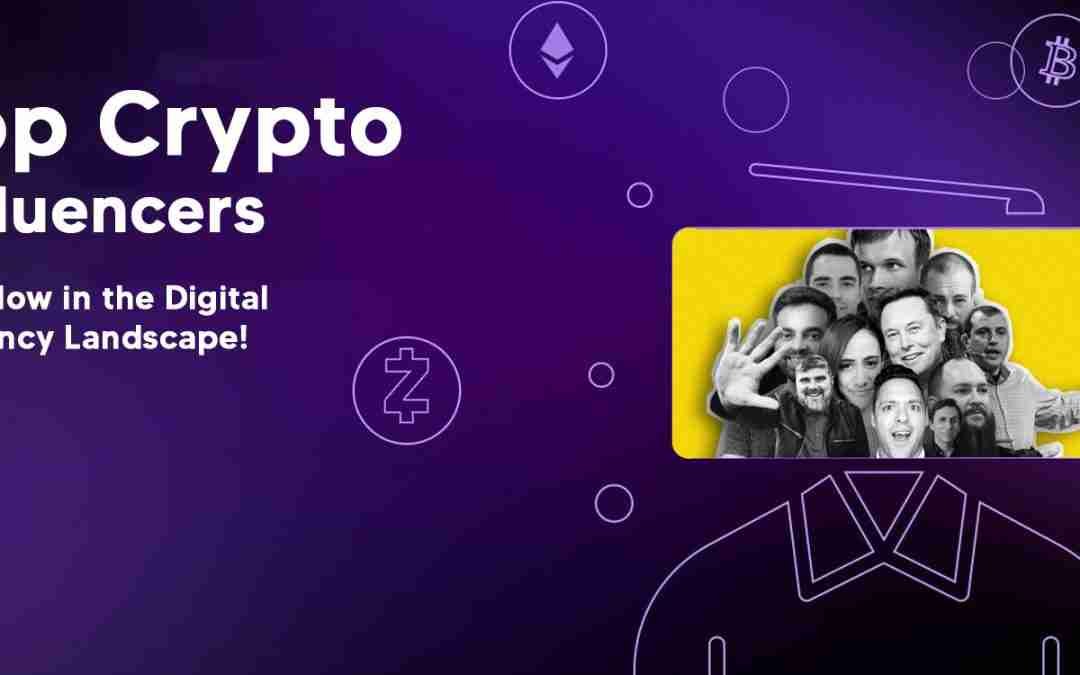
Uncovering the Top Crypto Influencers to Follow in the Digital Currency Landscape!

Uncovering the Top Crypto Influencers to Follow in the Digital Currency Landscape!

The world of cryptocurrency is rapidly evolving, and with it, the influence of those who are shaping the industry. From thought leaders to market analysts, these individuals are at the forefront of the digital currency landscape, providing valuable insights and predictions for investors and enthusiasts alike. With the increasing popularity of cryptocurrencies, it's essential to stay informed and up-to-date on the latest developments. To help you navigate the world of crypto influencers, we've compiled a list of the top figures to follow in the industry.

The list of the top crypto influencers to follow in the industry.

  • Andreas Antonopoulos
  • Vitalik Buterin
  • Brian Armstrong
  • Elizabeth Stark
  • Changpeng Zhao
  • Andreas Antonopoulos

Andreas Antonopoulos is a Bitcoin expert, author, and speaker. He is well-known for his expertise in the technical aspects of Bitcoin and blockchain technology. Antonopoulos is a frequent speaker at conferences and has written several books on the topic, including "Mastering Bitcoin" and "The Internet of Money." He is also a prominent figure in the Bitcoin community, and his tweets and blog posts provide valuable insights into the industry.

  • Vitalik Buterin

Vitalik Buterin is the co-founder of Ethereum, the second-largest cryptocurrency by market capitalization. He is considered a thought leader in the industry, and his contributions to the development of Ethereum have been instrumental in its success. Buterin is also an active member of the crypto community and frequently provides his thoughts on the industry on social media and in interviews.

  • Brian Armstrong

Brian Armstrong is the CEO of Coinbase, one of the largest cryptocurrency exchanges in the world. He is considered one of the most influential figures in the industry and has been instrumental in making digital currencies more accessible to the general public. Armstrong is also a vocal advocate for the adoption of cryptocurrency and blockchain technology, and his tweets and interviews provide valuable insights into the industry.

  • Elizabeth Stark

Elizabeth Stark is the CEO of Lightning Labs, a company that is developing technology to make Bitcoin transactions faster and cheaper. She is a well-known figure in the Bitcoin community, and her work on scaling solutions for the digital currency has been widely recognized. Stark is also a frequent speaker at conferences and is active on social media, providing her thoughts on the industry.

  • Changpeng Zhao

Changpeng Zhao, also known as CZ, is the CEO of Binance, one of the largest cryptocurrency exchanges in the world. He is considered one of the most influential figures in the industry and has been instrumental in the rapid growth of Binance. CZ is also a vocal advocate for the adoption of cryptocurrency, and his tweets and interviews provide valuable insights into the industry.

These are just a few of the many influential figures in the crypto world. By following their work and insights, you can stay informed about the latest developments in the industry and gain valuable insights into the future of digital currencies. It's worth noting that the crypto industry is highly dynamic, and many new influencers appear every year. Therefore it is important to keep an eye on the industry, to not miss any new talents. With the right information and the right approach, you can navigate the world of crypto and make informed decisions about your investments.

Upcoming Crypto Listings that will gain attention in 2023! know them here
Learn how to earn amidst a bear market in crypto

Similar News

The use of NFTs in the music industry and the potential benefits for artists!

The use of NFTs in the music industry and the potential benefits for artists!

The music industry is one that has been revolutionized by technology in many ways over the years. From the introduction of vinyl records, to cassette tapes, CDs, and now streaming services, the way we consume and purchase music has changed dramatically. Recently, non-fungible tokens (NFTs) have emerged as a new technology that has the potential to revolutionize the music industry once again.

One of the most significant benefits that NFTs offer for artists is the ability to monetize their music in new ways. Streaming services have made it easier for people to access music, but they have also made it harder for artists to earn a living from their work. With NFTs, artists can sell their music directly to fans, in the form of digital collectibles. This allows them to earn money from each individual transaction, rather than relying on a small percentage of streaming revenue.

Also Read: Let’s take a look at the effect of music NFT on gaming

Another benefit of NFTs for artists is the ability to create unique and exclusive experiences for fans. Artists can use NFTs to create limited-edition releases, early access to new music, or even virtual concert experiences. This allows them to offer something truly special and unique to their fans, which can help to increase their engagement and loyalty.

NFTs also have the potential to democratize the music industry by giving independent artists more control over their careers. By using NFTs, independent artists can sell their music directly to fans, without the need for a record label or other intermediary. This can help them to build a fan-base and earn a living from their work, without the need for a traditional record deal.

In addition, NFTs can also be used to create new revenue streams for live music events. Instead of traditional ticket sales, NFTs can be used to represent virtual or in-person live concert experiences, like VIP access, meet and greet, or even a private concert. This can offer a new way for artists to monetize their live events, and for fans to own a piece of their favorite artist's live performance.

It looks like NFTs have the potential to revolutionize the music industry by providing new monetization options for artists and allowing them to create unique and exclusive experiences for fans. As more and more artists begin to adopt this technology, we can expect to see a shift in the way music is consumed and purchased, giving artists more control over their careers and giving fans more choice over how they engage with their favorite music.

Also Read: Mastercard and Polygon collaborate to establish the Web3 musician accelerator programme.

The potential of cryptocurrency and blockchain in the gaming industry in 2023!

The potential of cryptocurrency and blockchain in the gaming industry in 2023!

In recent years, cryptocurrency and blockchain technology have begun to make a significant impact in the gaming industry. The intersection of these two technologies has the potential to revolutionize the way games are developed, played, and monetized in the coming years.

One of the most significant ways that cryptocurrency and blockchain technology will impact the gaming industry is through the development of decentralized games. Decentralized games, also known as blockchain games, are built on blockchain technology and allow for true ownership and control of in-game items and assets. This means that players can buy, sell, and trade virtual items in a transparent and secure way, without the need for a centralized intermediary. This opens up new possibilities for players to earn real-world money through their in-game activities, giving them more control over their gaming experience.

Also Read: Decentralized Finance and Gaming: Navigating the Risks of Hacks and Exploits!

Another way that cryptocurrency and blockchain technology will impact the gaming industry is through the use of non-fungible tokens (NFTs). NFTs are a type of digital asset that is unique and cannot be replaced by another asset. They can be used to represent in-game items, characters, and even entire virtual worlds. This allows for the creation of truly unique and valuable digital assets, which can be bought, sold, and traded just like traditional physical assets.

In addition, cryptocurrency and blockchain technology will also impact the gaming industry by providing a new way for developers to monetize their games. Traditional methods of monetization, such as in-app purchases and advertising, can be limiting for both developers and players. Cryptocurrency and blockchain technology provide new monetization options, such as in-game token sales and crowd funding, which allow developers to raise funds directly from the community and give players more control over the development of the game.

One of the most interesting use cases of cryptocurrency and blockchain technology in the gaming industry is the use of cryptocurrency for in-game purchases. This allows players to use cryptocurrency, such as Bitcoin or Ethereum, to purchase in-game items, characters, and even entire virtual worlds. This can help to increase the adoption of cryptocurrency in general, by giving people a new use case for it, and also provide an alternative way to pay for in-game items, which can be especially useful for players in countries where traditional payment methods are not available.

Cryptocurrency and blockchain technology have the potential to revolutionize the gaming industry in 2023. The ability to create truly unique and valuable digital assets, the new monetization options, and the use of cryptocurrency for in-game purchases are only the beginning of what is possible. As more and more games begin to adopt these technologies, we can expect to see a shift in the way games are developed, played, and monetized, giving players more control and choice over their gaming experience.

More News:
UFO Gaming | Entering the future of Metaverse with P2E Gaming!
PULI | A unique ecosystem merging RPG and P2E mobile gaming, NFTs, staking and much more!

Similar News

The implications of quantum computing for blockchain security!

The implications of quantum computing for blockchain security!

Quantum computing is a rapidly emerging technology that has the potential to revolutionize the way we process and store data. With its ability to perform complex calculations at an unprecedented speed, quantum computing has the potential to change the way we think about cybersecurity and blockchain technology.

One of the most significant implications of quantum computing for blockchain security is the ability to break encryption. Traditional encryption methods used in blockchain technology are based on mathematical algorithms that are difficult to solve. However, with the advent of quantum computing, these algorithms can be solved much more quickly, potentially allowing hackers to access sensitive information stored on the blockchain. This could have serious consequences for the security of blockchain networks and the privacy of the individuals and organizations using them.

Also Read: The potential of cryptocurrency and blockchain in the gaming industry in 2023!

Another implication of quantum computing for blockchain security is the ability to create new types of attacks. Quantum computing can be used to create new algorithms that can be used to attack blockchain networks, such as the Grover's algorithm, which can find the private key of a blockchain address with half the number of operations needed in classical computers. This means that attackers could potentially gain access to private keys and steal funds from blockchain addresses.

While quantum computing poses a significant threat to blockchain security, it also presents new opportunities for improvement. Quantum-resistant algorithms are being developed to counter the threat of quantum computing. For example, post-quantum cryptography, which is a new type of encryption that is resistant to quantum computers, has been proposed as a solution to the problem. This type of encryption uses complex mathematical problems that are difficult for quantum computers to solve, making it much harder for hackers to access sensitive information.

Additionally, other solutions like quantum key distribution (QKD) can be used to create secure communication channels that are resistant to quantum computing attacks. QKD uses the properties of quantum mechanics to create a shared secret key between two parties, which can then be used to encrypt and decrypt messages.

In the blockchain industry, there are also different solutions being proposed to tackle the quantum computing threat, like the development of quantum-resistant blockchain protocols and the use of quantum-safe digital signatures.

So, it is quite evident that quantum computing has significant implications for blockchain security and it is important for the industry to stay informed and take proactive measures to address the potential risks. While quantum computing presents a threat to traditional encryption methods, it also presents an opportunity to develop new and more secure algorithms that will help to protect blockchain networks in the future. The blockchain industry should work together and invest in research and development of quantum-resistant solutions to ensure the security and resilience of blockchain networks in the face of quantum computing advancements.

Also Read:
What Happens When a Blockchain Dies?
Using Blockchain As A Force For Good – Part 1. Recovery Punks