Ledger Hardware Wallet Tampering Probe Expands as European Device Claims Surface
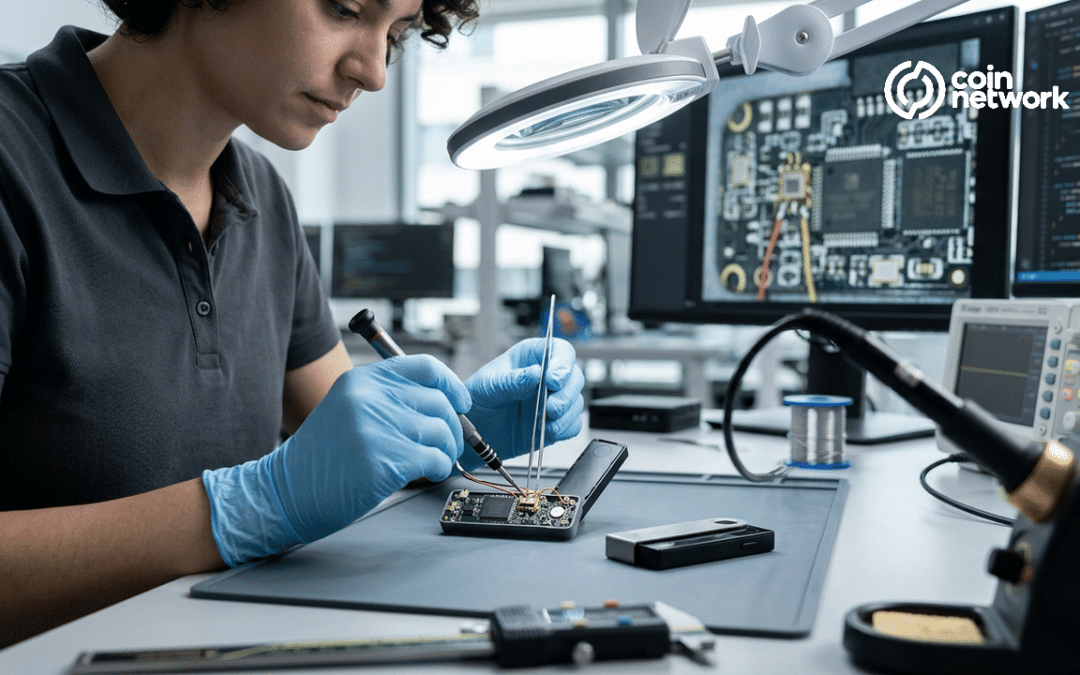
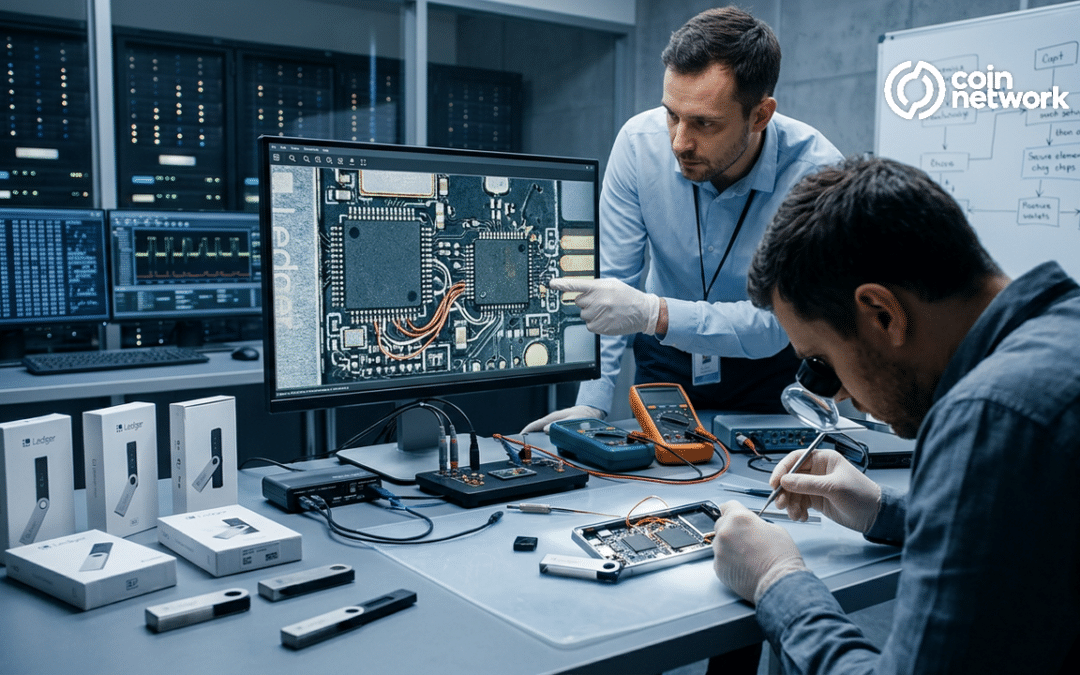
A physical supply-chain compromise affecting Ledger hardware wallet products expanded beyond Southeast Asia following claims by a customer that a unit bought in Europe carried an illicit modification. The alert surfaces after the hardware manufacturer confirmed an unauthorized hardware implant inside an exploited device linked to a multimillion-dollar drain in Asia, according to Stocktwits and Bitcoin.com News.
Hardware wallets are designed as dedicated physical devices that keep cryptocurrency private keys offline. During setup, an owner's device generates a recovery phrase on its display, which functions as master backup words that can restore funds, Stocktwits reported.
Stocktwits reported that anyone who gains access to those secret recovery words possesses the ability to drain the stored digital assets. Karpelès Lab CEO Mark Karpelès stated that the unauthorized component monitors the screen during initialization to "take note and transmit the seed phrase you'll be setting up on your ledger," according to Stocktwits.
Karpelès cautioned that illicit modifications have "evolved a lot in recent months," making them significantly more straightforward to insert and far more difficult to detect on visual inspection, Stocktwits reported. He warned that "the attacker may decide to steal your assets today, or in a year," meaning modified units can function without raising immediate suspicion.
Confirmed Hardware Wallet Implant Linked to Asian Reseller
Ledger verified that inspection of a device retrieved from an impacted customer revealed an unauthorized hardware implant inserted inside the chassis. The admission follows reports that tens of millions of dollars were drained from wallet owners who sourced devices through the authorized Southeast Asian vendor CryptoBilis, CryptoPotato and Crowdfund Insider reported.
The company's official support communication verified that a unit examined during the inquiry housed an unauthorized hardware implant. Reseller CryptoBilis subsequently paused all sales of its hardware wallet inventory while the technical review proceeds, according to Stocktwits and Cointelegraph.
The company noted that it began examining user devices after reports surfaced Friday about funds lost by buyers who obtained units from CryptoBilis. Ledger instructed anyone holding unconfigured hardware bought from the distributor to halt initial setup procedures, Stocktwits reported.
CryptoPotato and Crowdfund Insider reported that Ledger advised customers who had already initialized units obtained from CryptoBilis to migrate their digital balances to a new device using an entirely fresh recovery phrase. The manufacturer emphasized that its core network infrastructure and internal servers showed no indicators of system-level compromise, according to Stocktwits.
Ledger stated that investigators have not determined the exact number of modified devices in circulation, nor whether the observed hardware implant caused every reported theft. The firm continues to assess whether the discovered component explains all matching wallet drains, according to CryptoPotato and TOKENPOST.
European Retail Unit Shows Signs of Modification
A fresh community report alleged that physical tampering reached European retail channels after a customer discovered suspected internal alterations in a unit purchased from MediaMarkt. Bitcoin.com News reported that social media claims warned the compromise of the physical hardware wallet might no longer be isolated to Asian markets.
The European device was acquired two weeks prior from a physical branch of MediaMarkt, a German retail chain operating across nations such as Italy, Spain, Austria, Poland, Turkey, and the Netherlands. The user, known on X as Johannes, published photographs displaying wiring absent from authentic factory motherboards, according to Stocktwits and Bitcoin.com News.
Johannes stated that the suspect component seemed to be an earlier hardware implant iteration because it was placed directly in view rather than tucked behind the screen display to evade inspection, Bitcoin.com News reported.
Stocktwits and Bitcoin.com News reported that Johannes observed his European unit had not transmitted funds to a malicious third party. He noted it remained uncertain whether the component failed to execute or whether attackers deliberately delayed action to target wider distribution.
Stocktwits reported that Johannes encouraged any cryptocurrency user who obtained a hardware wallet from third-party resellers rather than directly from Ledger to physically inspect the interior. Mark Karpelès confirmed reviewing the finding, remarking on social media that the design resembled a previous version of the modifications he had been analyzing, Stocktwits reported.
Ledger has not confirmed whether the European device was compromised or acknowledged any verified incidents outside the Asian distributor channel. The report does not establish that the attack officially spread to Europe, TOKENPOST reported.
Supply Chain Vulnerabilities and Industry Impact
Community analysts who reviewed the uploaded photographs disagreed on the physical evidence, according to CryptoPotato. Some argued the board itself did not resemble a genuine factory layout, while others observed that the wiring differed from the hardware implant previously documented in Southeast Asian units.
The physical interception of cryptographic signers highlights growing vulnerabilities throughout third-party distribution chains. Crowdfund Insider reported that this episode exposes persistent supply-chain risks for hardware wallet ecosystems.
Ledger stated it is actively enhancing retail channel safeguards in response to the tampering discoveries. The company noted that events like this strengthen its resolve as it conducts reviews of authorized reseller controls, improves physical hardware protections, and cooperates with law enforcement authorities, Bitcoin.com News reported.
Conclusion
Ledger has formally verified that physical tampering took place in at least one hardware wallet recovered during its Southeast Asian inquiry, though company officials have not confirmed unauthorized modifications on devices purchased in Europe. Ledger is proceeding with internal technical reviews alongside law enforcement, while examining oversight protocols across its network of authorized retail distributors.
Frequently Asked Questions
Has Ledger confirmed a hardware implant in Europe?
No. Ledger has not confirmed that the European unit was compromised, according to TOKENPOST. The company confirmed a physical implant only in a device tied to Southeast Asian reseller CryptoBilis, Stocktwits reported.
Which European retailer was named in the user report?
The user reported purchasing the suspect device from MediaMarkt, a German electronics chain operating across multiple European countries including Italy, Spain, Poland, Austria, and the Netherlands, according to Bitcoin.com News and CryptoPotato.
What should customers who bought from CryptoBilis do?
Ledger advised customers who purchased hardware from CryptoBilis not to configure their devices, Stocktwits reported. Users who already set them up were advised to migrate assets to an alternate device using a freshly generated seed phrase, according to Crowdfund Insider.
Did the European unit transfer crypto assets to an attacker?
No. According to Stocktwits, the European customer stated that the device never transmitted funds to an outside attacker, though community reviewers continue to debate the authenticity of the photographed components.
Sources
- Ledger Confirms Hardware Wallet Implant In CryptoBilis -Sold Device Amid $90 Million Crypto User Funds Drain
- Ledger Hardware Wallet Scare Reportedly Reaches Europe After Asian Users Drained
- User Exposes Hidden Hardware Implant in European Ledger Wallet
- Ledger Confirms Hardware Implant as Tampered Wallet Reports Allegedly Spread to Europe
- Ledger confirms unauthorized hardware implant, says losses may exceed $86M
- Ledger Confirms Hardware Implant in Wallet Tied to Crypto Drains