












A dormant Ethereum address holding 12,746 ETH worth $31.7 million moved on-chain for the first time in 10.2 years, Whale Alert reported.

Revolutionizing Gaming with Blockchain: Unity Launches Web3 Integration Options
A brief explanation of Unity and its recent announcement of Web3 integration options
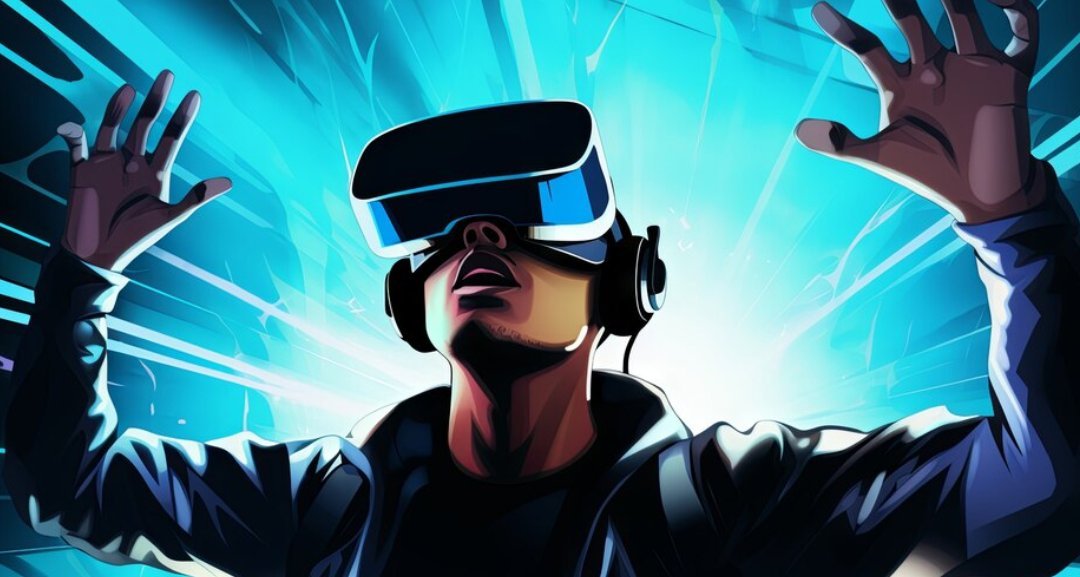
Unity is a popular gaming engine developers widely use to create games for various platforms, including mobile devices, consoles, and computers. Recently, Unity announced integrating blockchain and Web3 technology into its gaming engine. This integration is set to revolutionize how games are created and played and are expected to bring new opportunities for revenue and monetization for game developers and players. With this move, Unity is positioning itself as a leader in the gaming industry and paving the way for future innovations.
Unity's Integration of Blockchain and Web3
Unity, a leading gaming engine, integrates blockchain and Web3 technologies into its platform, allowing developers to create games incorporating decentralized solutions. These tools support blockchain services, including token management wallets, digital identity solutions, and metaverse creation options.
Through blockchain, Unity enables players to have real ownership of in-game assets, allowing them to transfer or sell these assets outside of the game environment. It could create a new market for virtual assets and offer a play-to-earn model for gamers.
The decentralized solutions on the Unity platform include 13 different software development kits for integrating blockchain services, such as Aikon Ore ID, Algorand, Altura, Aptos Labs, Dapper Labs, Immutable X, Infura, Metamask, Nefta, Pocketful of Quarters, Solana, Tezos, and Truffle.
Integrating these technologies into the Unity engine will allow developers to focus on building experiences rather than grappling with the technical challenges of implementing complex blockchain solutions. These tools are free on the Unity Asset Store, making them accessible to small developers who can use them to build small apps or games that integrate blockchain technology.
Integrating blockchain and Web3 technologies into the Unity engine represents a major step forward in the gaming industry, opening up new opportunities for developers and players alike.
Also Read: The potential of cryptocurrency and blockchain in the gaming industry in 2023!
Benefits of Blockchain and Web3 Integration in Gaming
Integrating blockchain and Web3 technologies into the gaming industry offers many benefits for both developers and gamers. Here are some of the key benefits:
⦁ True ownership of in-game assets: With blockchain integration, players can truly own their assets, as they are stored on a decentralized network rather than a centralized server. It means players can buy, sell, and trade in-game assets with confidence, knowing that they are the true owners of those assets.
⦁ Increased security: Blockchain technology provides a high level of security by using encryption and decentralized storage to protect data. It makes it difficult for hackers to steal in-game assets or personal information.
⦁ Decentralization: Using blockchain technology, game developers can create decentralized gaming environments that are not controlled by a central authority. It provides players with greater freedom and control over their gaming experiences.
⦁ Transparency: Blockchain technology provides transparency in the gaming industry by recording all transactions on a public ledger. It creates a more fair and more transparent gaming experience for players.
⦁ Play-to-earn models: With the integration of blockchain technology, developers can create play-to-earn models where players can earn cryptocurrency or other rewards for playing games. It creates a new source of income for players and incentivizes them to spend more time playing games.
Also Read: Decentralized Finance and Gaming: Navigating the Risks of Hacks and Exploits!
Conclusion
In summary, incorporating blockchain and Web3 into the gaming sector could revolutionize the industry in many ways. With the help of Unity's Web3 integration options, game developers can create decentralized games with increased security, transparency, and player ownership of assets and data. It opens up new revenue and monetization opportunities for game developers and players.
Furthermore, blockchain and Web3 integration could change how we play and create games, leading to a more immersive and interactive gaming experience. As technology evolves and game developers embrace it, the possibilities are endless.
Overall, the future of gaming with blockchain and Web3 integration is incredibly exciting and can potentially revolutionize the industry as we know it. The gaming community should look forward to the future and embrace this technology to stay ahead.
Latest News

Dormant Ethereum Address Holding 12,746 ETH Wakes Up After Decade

SEC Launches Five-Year Innovation Exemption for Tokenized Stocks
The SEC issued an innovation exemption allowing tokenized securities venues to trade tokenized NMS stocks on Ethereum, Solana, and BNB Chain.

Thailand SEC Issues Framework for Local Bitcoin and Ether Crypto ETFs
Thailand SEC finalizes rules allowing domestic asset managers to list bitcoin and ether crypto ETFs on the local exchange starting Oct. 16.

Franklin Templeton Seeks Regulatory Relief for Tokenized Fund Trading Pools
Franklin Templeton seeks SEC regulatory relief for tokenized fund trades across blockchain-based automated liquidity pools and trading pairs.