











SEC Issues Innovation Exemption for Tokenized NMS Stock Trading, Seeks Public Comment

SEC Issues Innovation Exemption for Tokenized NMS Stock Trading, Seeks Public Comment

The SEC has issued an innovation exemption intended to facilitate the trading of tokenized NMS stock, the agency said. Alongside the exemption, the SEC published a request for comment seeking public input on the initiative.

The action places tokenized versions of NMS stock, securities covered by the SEC's national market system rules, within a regulatory pathway the agency says is designed to allow such trading to proceed. The paired request for comment opens the proposal to scrutiny from market participants, investors and other interested parties.

What the Exemption Covers

The exemption is framed by the SEC as an innovation exemption, a mechanism the agency has used to provide relief from certain requirements while new market structures are tested. In this case, the relief is aimed at the trading of tokenized NMS stock, which refers to traditional securities represented as digital tokens on a blockchain or similar ledger.

NMS stock sits at the core of the US equity market structure, governed by rules that address quotation, execution and reporting. Bringing tokenized forms of these securities into a supervised framework has been a recurring subject of discussion between regulators and the digital asset industry.

Request for Comment

The SEC paired the exemption with a formal request for comment, inviting feedback on how tokenized NMS stock trading should be treated under existing securities rules. Comment processes of this kind typically solicit responses from exchanges, broker-dealers, asset managers, technology firms and the investing public.

Responses submitted during the comment period will inform the agency's next steps, which could include adjustments to the scope of the exemption or additional rulemaking. The SEC has used similar requests in the past to gather data and views before finalizing policy positions on digital asset matters.

Context for Tokenized Securities

Tokenization, the process of representing ownership of an asset as a digital token, has drawn sustained attention from financial institutions seeking faster settlement and broader access to traditional markets. Applying that model to NMS stock raises questions about how existing market structure rules interact with blockchain-based trading venues.

The SEC's move signals a willingness to address those questions through targeted relief rather than waiting for comprehensive legislation. For firms building tokenized equity products, the exemption and the comment process together define the near-term regulatory path.

What Comes Next

Attention now turns to the comment process, where industry participants and other stakeholders will set out their views on the exemption's design and implications. The agency will review submissions before determining whether to extend, modify or formalize the relief.

The outcome will shape how quickly tokenized NMS stock trading can develop within US markets and under what conditions. Firms active in digital assets and traditional market infrastructure are expected to weigh in during the comment window.

Conclusion

The SEC has issued an innovation exemption to facilitate trading of tokenized NMS stock and opened a request for public comment, the agency said. The next concrete step is the comment process, in which market participants and the public can submit views that will inform the SEC's further action on the exemption and any related rulemaking.

Frequently Asked Questions

What did the SEC announce about tokenized NMS stock?

The SEC announced an innovation exemption intended to facilitate the trading of tokenized NMS stock and issued a related request for public comment. The announcement opens the initiative to feedback from market participants and the public.

What is tokenized NMS stock?

The term refers to shares of securities covered by the SEC's national market system rules that are represented as digital tokens on a blockchain or similar ledger. The SEC's exemption is designed to facilitate trading of these tokenized securities within a supervised framework.

What is the SEC innovation exemption?

The innovation exemption is a form of regulatory relief the SEC has issued to allow the trading of tokenized NMS stock to proceed. It is paired with a request for comment, meaning the agency is gathering public input that could shape whether the relief is extended, modified or formalized.

How can the public respond to the SEC request for comment?

The SEC's request for comment invites submissions from exchanges, broker-dealers, asset managers, technology firms and the investing public on how tokenized NMS stock trading should be treated under existing securities rules. The agency will review responses before deciding on further steps.

What happens after the SEC comment period on tokenized stock trading?

After the comment period, the SEC will review submissions and determine whether to extend, modify or formalize the exemption. The outcome will shape how quickly tokenized NMS stock trading can develop in US markets and under what conditions.
Sources

Read Also

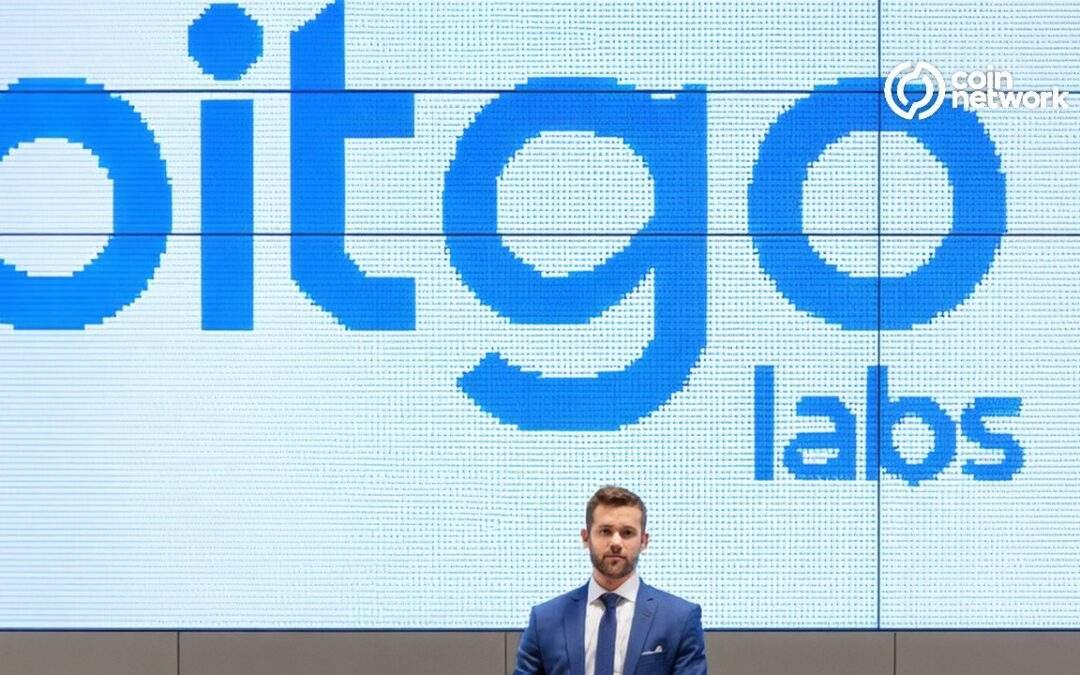
BitGo Labs Launches to Build Crypto’s Next Breakout Application

BitGo Labs Launches to Build Crypto’s Next Breakout Application

BitGo Holdings, Inc. launched BitGo Labs on Thursday, a research and innovation unit designed to build the next breakout application for digital assets. The digital asset infrastructure company, which trades on the New York Stock Exchange under the ticker BTGO, said the new division will focus on designing, launching, and proving out real applications on top of its financial technology.

The launch marks an expansion beyond the company's established business lines in crypto custody, trading, staking, financing, and settlement. By creating a dedicated unit for research and development, the company aims to explore new use cases for blockchain technology while leveraging artificial intelligence to accelerate development and introduce consumer services.

Focus on AI and Crypto

BitGo Labs will initially concentrate on the intersection of artificial intelligence and cryptocurrency. The unit plans to explore how crypto infrastructure can support autonomous AI agents, including capabilities for micropayments, instant settlement, and digital asset custody.

According to Crypto Briefing, the initiative arrives as developers in the artificial intelligence field increasingly examine autonomous agents that can handle transactions, buy services, and oversee financial activities with limited human intervention. BitGo said traditional financial technology cannot support this next leg of innovation, positioning its infrastructure as the solution for these emerging needs.

The company believes that as AI progresses from simple chatbots toward autonomous agents capable of researching, negotiating, hiring, and purchasing on the open internet, new opportunities will emerge for people to contribute and earn. BitGo Labs maintains that some of crypto's most important use cases will be found in this convergence and remain waiting to be built.

The unit's mandate includes identifying specific points where blockchain rails can serve machine-driven economic activity. This involves examining how autonomous software might utilize digital asset custody solutions, instant settlement mechanisms, and micropayment channels to conduct transactions without human oversight.

First Projects and Gokubu

The new division launches with several initial projects that put its approaches into practice. The first consumer product is Gokubu, an application featuring an AI-powered payment card that works wherever Visa is accepted.

Gokubu offers users a personalized AI financial assistant that helps optimize spending patterns, automatically identifies superior rewards programs, and assists users in extracting additional value from their purchases. According to BitGo, the service is already live and accepting registrations.

Beyond its initial products, BitGo Labs plans to publish research, develop prototype protocols and reference implementations, and collaborate with developers, academic institutions, and companies working across the AI and crypto industries.

Company Background and AI Integration

Since 2013, BitGo has operated as a backbone of the digital asset industry, providing custody, wallets, staking, trading, financing, stablecoins, and settlement services from regulated cold storage. The company maintains a global presence with multiple regulated entities, including BitGo Bank & Trust, National Association, the first federally chartered digital asset trust bank owned by a publicly traded company.

BitGo serves thousands of institutions, including financial institutions, exchanges, and platforms, as well as millions of investors worldwide. The company began trading on the New York Stock Exchange under the ticker BTGO in January.

The launch of BitGo Labs extends the company's existing use of artificial intelligence across its operations. In its second quarter financial results, BitGo reported increased use of AI to accelerate software development, automate manual processes, and improve operational efficiency. The new division extends that effort into consumer applications and financial infrastructure designed for AI agents.

Strategic Expansion

The initiative represents a strategic expansion for BitGo as it explores potential uses for cryptocurrencies in an increasingly automated digital economy. By focusing on the convergence of AI and digital assets, the company aims to develop financial applications that take advantage of blockchain infrastructure while using artificial intelligence to accelerate development cycles.

BitGo Labs will work to identify and build applications that leverage the company's existing regulated infrastructure. The unit's mandate includes exploring how autonomous agents might utilize digital asset custody, instant settlement, and micropayments to conduct economic activity on the open internet.

The company has focused on accelerating the transition of the financial system to a digital asset economy since its founding. This new unit represents a continuation of that mission, targeting the specific technological shift toward machine-driven commerce and automated financial management.

Conclusion

BitGo Labs begins operations with Gokubu already live and accepting registrations, marking the company's first consumer-facing application under the new innovation unit. The division plans to continue developing applications that combine artificial intelligence with digital asset infrastructure while publishing research and collaborating with industry partners. As AI capabilities advance toward autonomous agents, BitGo positions its regulated custody and settlement infrastructure as the foundation for the next generation of financial applications.

Frequently Asked Questions

What is BitGo Labs?

BitGo Labs is a research and innovation unit launched by BitGo Holdings on Thursday. The unit is charged with designing, launching, and proving out real applications on top of BitGo's financial technology, with an initial focus on the intersection of artificial intelligence and cryptocurrency.

What is Gokubu?

Gokubu is the first consumer product from BitGo Labs, featuring an AI-powered payment card accepted wherever Visa is supported. The application includes a personalized AI financial assistant designed to optimize spending and automatically identify better rewards for users.

When did BitGo launch BitGo Labs?

BitGo Holdings announced the launch of BitGo Labs on Thursday. The new division was announced alongside its first consumer product, an AI-powered payment card called Gokubu.

What will BitGo Labs focus on?

BitGo Labs will initially focus on the intersection of AI and crypto, exploring how crypto infrastructure can support autonomous AI agents. This includes developing capabilities for micropayments, instant settlement, and digital asset custody for AI-driven transactions.

Is Gokubu available now?

Yes, according to BitGo, Gokubu is already live and accepting registrations. The service offers automated rewards and a personal AI financial assistant to help users optimize their spending.

Sources