









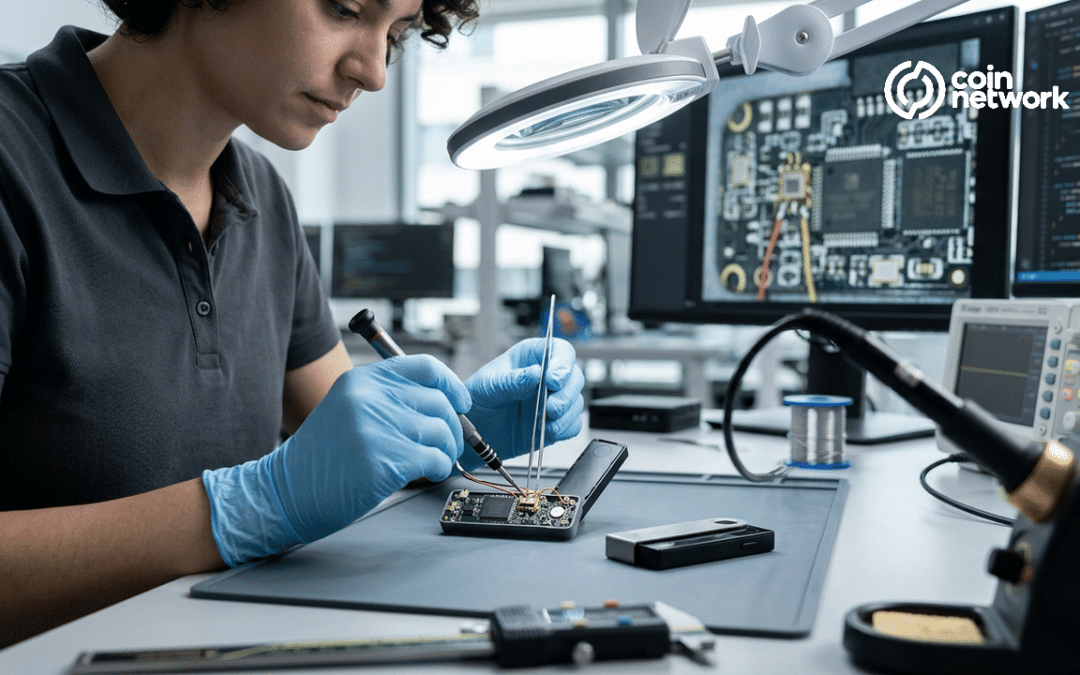
Ledger Confirms Unauthorized Hardware Implant in Customer Wallet

Ledger Confirms Unauthorized Hardware Implant in Customer Wallet

Hardware wallet maker Ledger has verified that an unauthorized hardware implant was detected inside a wallet owned by an impacted customer, coming as third-party researchers trace tens of millions of dollars in drained funds across blockchain networks.

The discovery came after buyers noticed their digital assets disappearing following purchases from CryptoBilis, a regional distributor based in Southeast Asia. The incident has raised questions about device verification mechanisms, as a modified device can pass integrity tests while housing an unauthorized hardware implant.

Implant Confirmation and Retail Fallout

Ledger issued a public statement on Saturday, Oct. 10, 2026, marking its initial admission that physical tampering impacted a client's hardware. According to Bitcoin.com News, the firm corroborated that an unauthorized hardware implant was discovered within a customer's device, reinforcing theories of a physical distribution compromise tied to CryptoBilis.

Following the reports, CryptoBilis halted all sales across its hardware wallet stock while an inquiry proceeds. Ledger confirmed the distributor froze its sales operations during the joint inquiry with law enforcement agencies.

Online responses to Ledger's social media announcement were heavily critical, Bitcoin.com News reported. Social media commentators questioned Ledger regarding responsibility for supply channels, with Others asking, "Are you gonna refund the victims?"

Attestation Limits and the Unauthorized Hardware Implant

Ledger's architecture relies on an attestation procedure to validate that a secure chip is authentic. Each chip produces a unique cryptographic key pair, passing its public key to a Ledger hardware security module. When a device interfaces with Ledger software, the company's servers dispatch a cryptographic challenge that the secure element signs using its hidden private key, enabling the network to approve valid units and block counterfeit units.

However, CryptoSlate reported that Ledger's operational model concedes the Genuine Check routine cannot detect unauthorized hardware implant devices or secondary spying modules if the genuine secure element is unaltered. Ledger noted that purchasing via licensed vendors reduces exposure because device attestation validates cryptographic integrity rather than physical handling across distribution routes.

To address this gap, Ledger pointed out that its signing units are engineered so owners can conduct manual hardware inspections. The company stated it is currently developing improved anti-tamper mechanisms to counter hidden physical modifications.

Research Into Secret Interception Tools

Former Mt. Gox chief executive Mark Karpelès has documented three generations of altered Ledger Nano X hardware through research unit Tibane Labs, CryptoSlate reported. Bitcoin.com News also reported that Karpelès documented modified hardware featuring hidden printed circuit assemblies and telecommunications gear engineered to intercept secrets.

During standard configuration, Ledger hardware produces a 24-word recovery phrase that restores balance management. According to CryptoSlate, researchers discovered that implants tap data traversing between the secure processor and the screen, allowing unauthorized parties to assemble the seed phrases and transmit them through cellular antennas without tampering with the secure chip directly.

Tibane's research has not established the specific engineering behind the CryptoBilis incident, and Ledger has withheld exact schematics regarding the unauthorized hardware implant found in the customer's wallet.

Loss Estimates and Company Response

Third-party research groups have assembled varying assessments of the losses. CryptoSlate and Bitcoin.com News noted that independent analysts estimate losses around $93.2 million, while Bitcoin.com News reported that tracker Yfarmx placed suspected thefts at $93.4 million, figures Ledger has not authenticated.

Ledger has not publicly shared how many wallets were altered or verified that the physical implant accounted for every reported balance draining. The firm sought to separate the localized tampering from its overarching technical network, insisting its core services and operational systems have sustained no security breach.

Ledger advised CryptoBilis clients against setting up newly purchased devices, while urging anyone who initialized their units to transfer funds using a fresh seed generated on a safe signer. The manufacturer reiterated that staff will never request an owner's 24-word backup phrase.

Beyond issuing warnings to purchasers, Ledger noted that it is reaching out directly to affected customers while coordinating inquiries alongside relevant authorities. The manufacturer highlighted its active development of additional, enhanced anti-tampering solutions designed to prevent illicit hardware modifications from bypassing security checks.

The discovery of an unauthorized hardware implant demonstrates how attackers can exploit physical distribution channels even when cryptographic verification systems operate as intended. While Ledger maintains its core security architecture was not compromised, the presence of modified hardware in user hands has prompted immediate security advisories and retailer halts across the region.

The broader crypto community finds itself confronting another security controversy as investigators continue working with Ledger to determine the full scope of the altered hardware and its link to missing customer funds.

Conclusion

Ledger has confirmed the physical alteration of an affected customer's unit while maintaining that its core digital infrastructure suffered no breach. Distributor CryptoBilis has suspended all wallet sales as independent researchers evaluate up to $93.4 million in suspicious transfers.

Moving forward, Ledger is cooperating with law enforcement agencies and working on enhanced anti-tampering defenses to address physical supply vulnerabilities.

Frequently Asked Questions

What did Ledger confirm regarding the CryptoBilis incident on Oct. 10, 2026?

Ledger confirmed on Oct. 10, 2026, that an affected user's hardware wallet housed an unauthorized physical implant. The admission followed thefts reported by users who bought devices through Southeast Asian authorized reseller CryptoBilis.

Why did the tampered device pass Ledger's Genuine Check?

Ledger's Genuine Check authenticates the device's secure element through a cryptographic attestation challenge. According to Ledger's threat model, this check cannot identify unauthorized spying implants if the authentic secure chip itself remains unmodified.

How much cryptocurrency was lost according to independent analysts?

Independent researchers have estimated losses ranging from $93.2 million to $93.4 million across affected blockchain addresses. Ledger stated that it has not verified these independent damage calculations.

What actions did reseller CryptoBilis take following the reports?

CryptoBilis, an authorized Ledger distributor in Southeast Asia, suspended all retail sales of its hardware wallet inventory while Ledger and law enforcement agencies investigate the incident.

Sources

Ledger Probes Supply Chain Breach After CryptoBilis Reseller Hack

Ledger Probes Supply Chain Breach After CryptoBilis Reseller Hack

Hardware wallet manufacturer Ledger announced it is examining customer balance drains in Southeast Asia tied to devices distributed by authorized regional merchant CryptoBilis, instructing the vendor to halt all shipments and sales transactions immediately. The Paris-based firm launched its inquiry into the CryptoBilis reseller hack on October 9, 2026, amid widespread user reports of unauthorized fund movements across multiple blockchains, according to The Coin Republic. Customers who purchased units from the vendor over the past 90 days have been cautioned by Ledger to halt any initial configurations.

Crypto Briefing reported that malicious actors planted hidden cellular components directly into the hardware wallets distributed by the authorized seller. The internal components allegedly transmitted user recovery phrases outward via cellular networks, bypassing typical offline safeguards. More than $86 million in digital asset losses has been linked to the breach, which has prompted urgent warnings from Ledger Support.

Unauthorized Implants and Acquisition Claims

Crypto Briefing reported that attackers inserted concealed hardware inside units distributed by CryptoBilis. According to these findings, the clandestine modifications featured embedded circuit boards placed directly behind device screens to intercept recovery phrases upon generation. This setup enabled attackers to extract the critical data without requiring physical access to the owner's unit after delivery.

Crypto Briefing also reported on claims circulating on social media platform X alleging that hackers did not merely tamper with hardware in transit. The report highlighted social media posts alleging that the attackers bought the CryptoBilis reseller business outright, required the firm to execute a non-disclosure agreement, and then systematically introduced spyware components into the inventory before customer distribution.

Crypto Briefing noted that Ledger has not verified the assertions that hackers purchased the regional reseller or executed a non-disclosure agreement. Nevertheless, the revelations have intensified focus on the CryptoBilis reseller hack, demonstrating potential points of failure when third-party supply channels are compromised by hostile actors.

Instructions for Customers in the CryptoBilis Reseller Hack

In public announcements distributed on social media platform X, Ledger Support directed purchasers who acquired devices through CryptoBilis within the last 90 days to take immediate protective measures. Customers holding uninitialized wallets received explicit directives to leave them unconfigured until further notice. For buyers who have already completed the initial setup process, Ledger advised moving all balances over to an alternative Ledger signer using an entirely new recovery seed phrase.

The manufacturer reiterated that the incident response does not automatically assume every single piece of inventory delivered through the distributor was compromised. However, the 90-day purchase parameter remains in place as an active advisory while Ledger continues technical investigations into the supply chain breach.

Ledger Support stressed that the temporary operational pause for sales and dispatch activities at CryptoBilis will persist while the full scope of the security issue is examined. Owners encountering suspicious activity or requiring guidance are instructed to follow the firm's verified communication channels.

The guidance issued during the CryptoBilis reseller hack underscores that anyone who acquired hardware from the distributor during the specified window must refrain from entering credentials. Buyers who fail to observe the caution could leave private key data vulnerable to the alleged cellular extraction tools identified by security researchers, according to reporting by Crypto Briefing.

Supply Chain Vulnerabilities Under Review

The CryptoBilis reseller hack has cast a spotlight on retail distributor risks within the hardware security sector. By targeting an intermediary merchant directly, the attackers were able to bypass standard security assumptions associated with cold storage manufacturing. Decrypt and The Coin Republic reported that Ledger's investigation remains focused on the specific regional supply partner rather than core device architecture.

Until investigators conclude their physical and logistical reviews, Ledger is maintaining the sales suspension on the vendor. The company continues to evaluate the reported customer asset drains, with the full extent of compromised devices still under assessment by company technicians.

The emergence of the CryptoBilis reseller hack demonstrates the operational complexity of policing downstream logistics across international consumer markets. By requiring the merchant to suspend both online retail sales and pending courier dispatches, Ledger aims to isolate further consumer exposure across Southeast Asia while the technical inquiry proceeds.

According to reporting by The Coin Republic, the inquiry launched on October 9, 2026, centers on resolving how the funds left client wallets following purchases from the merchant. As Ledger reviews the circumstances of the CryptoBilis reseller hack, regional buyers are reminded that safety precautions apply specifically to inventory sourced through that commercial partner over the previous three months.

Conclusion

Ledger has halted all device sales and shipments from Southeast Asian reseller CryptoBilis as it investigates reports of unauthorized hardware modifications leaking recovery phrases. The company's advisory applies strictly to customers who bought products from the distributor over the past 90 days, instructing them to halt setup or move assets to a new signer using a fresh seed phrase. Ledger's next concrete step is to continue its active technical probe into the affected devices and reseller operations.

Frequently Asked Questions

What is the CryptoBilis reseller hack?

The CryptoBilis reseller hack refers to reported supply chain tampering involving Southeast Asian reseller CryptoBilis. According to Crypto Briefing, attackers placed unauthorized cellular implants inside Ledger devices to intercept users' recovery phrases, leading to tens of millions in suspected customer losses across multiple blockchains.

What should customers who bought from CryptoBilis do?

Ledger instructs anyone who purchased a hardware wallet from CryptoBilis in the past 90 days not to initialize the device. Customers who have already set up a wallet must transfer their funds to a different device using a completely new recovery seed phrase.

Did hackers purchase the reseller CryptoBilis?

Crypto Briefing reported that claims surfaced on X alleging hackers purchased CryptoBilis outright and had it sign a non-disclosure agreement to distribute tampered units. However, this assertion has not been confirmed by Ledger.

When did Ledger launch its investigation into CryptoBilis?

The Coin Republic reported that Ledger initiated its investigation on October 9, 2026, following user reports of customer asset losses linked to units purchased from the distributor.

Sources