South Korean financial regulators have demanded tougher cold wallet rules for domestic cryptocurrency exchanges, calling for a larger share of customer assets to be held in offline storage and for tighter internal access controls, days after hackers siphoned roughly $6.3 billion in digital assets from Binance, according to Bitcoin.com News.
The push came at an emergency inspection session called by the Financial Services Commission, with the country's digital finance policy officer, Yoo Young-jun, in attendance, Bitcoin.com News reported. The speed of the response signaled official concern that the techniques used against Binance could be turned on Korean platforms, prompting regulators to press exchanges on security protocols and the share of customer funds kept offline.
Emergency Meeting on Cold Wallet Rules
Representatives from the Financial Supervisory Service, the Korea Financial Security Institute, the Digital Asset Exchange Association and major South Korean cryptocurrency exchanges attended the meeting, according to local reports cited by Bitcoin.com News. The gathering brought the country's main financial watchdogs and the industry's self-regulatory body into the same room with the platforms that would have to carry out any new safeguards.
The FSC directed DAXA and the major Korean exchanges to boost reserves and to hold more assets in cold wallet storage than the existing 80% minimum requires, Bitcoin.com News reported. Officials pressed the exchanges to put preventive measures in place immediately rather than wait for any formal rule change, treating the Binance incident as a live warning for the domestic market.
During the session, officials examined how domestic exchanges manage internal IT access controls, administrator permissions and multisignature withdrawal verification procedures, according to Bitcoin.com News. Those are the same layers of defense that the Binance attackers were able to defeat, according to the preliminary findings reported about that breach.
The regulator also demanded round-the-clock, real-time surveillance of suspicious deposits and withdrawals, bigger emergency response teams and new channels for rapid reporting and coordination, Bitcoin.com News reported. Together, the measures are aimed at detecting an intrusion early and containing it before funds leave an exchange's control.
Binance Breach Spurs Action
The regulatory response follows a breach of Binance's hot wallets in which attackers reportedly made off with about $6.3 billion in digital assets, Bitcoin.com News reported. Preliminary assessments indicate the intrusion began when attackers gained unauthorized entry to internal systems through an employee's work laptop, which allowed them to sidestep the exchange's withdrawal approval and transaction-signing mechanisms.
On Tuesday, Binance said the attack was intensified by fake job interviews and compromised AI tooling, which let the attackers quietly work their way into its infrastructure, according to Bitcoin.com News. The exchange has disclosed new details about what it described as a sophisticated cyberattack, putting the stolen amount at approximately $6.34 billion in cryptocurrency.
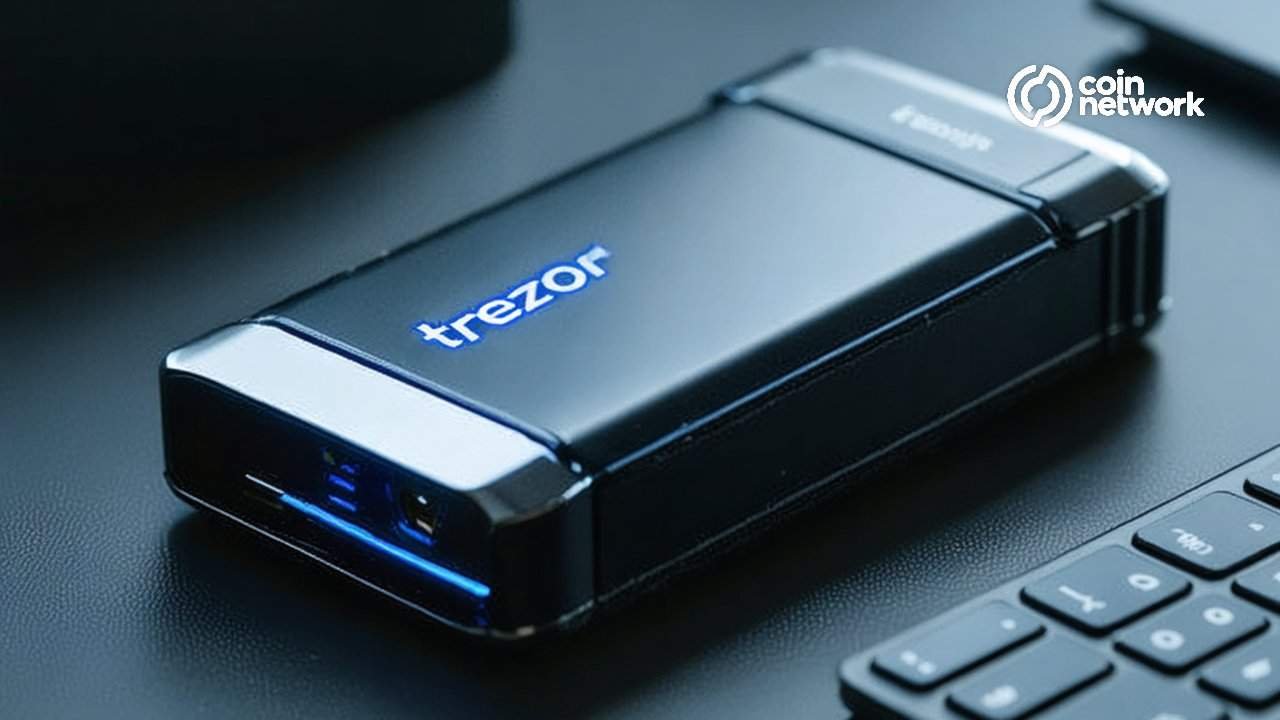
The episode illustrates why regulators favor cold wallet storage. Hot wallets stay connected to the internet to support active trading, while cold wallets keep funds cut off from external networks, sharply reducing cybersecurity risk, Bitcoin.com News noted. That distinction sits at the center of the FSC's instruction that Korean exchanges push their cold wallet share beyond the statutory floor.
Existing Rules and Reserves
South Korea's Virtual Asset User Protection Act already obliges exchanges to keep a minimum of 80% of customer digital assets in cold wallets and to hold customer cash deposits at commercial banks, according to Bitcoin.com News. The FSC's latest directive goes further, pressing platforms to exceed that cold wallet threshold rather than simply comply with it.
The law also requires operators to carry insurance, join mutual aid programs or hold minimum reserves of $2.2 million for won-denominated platforms, Bitcoin.com News reported. The FSC's instruction that exchanges boost reserves builds on that existing framework, adding a further financial cushion against the risk of a breach.
Coordination on Enforcement
South Korean authorities said they planned to stay in close contact with domestic exchanges and with regulators in other jurisdictions in an effort to head off additional breaches and contain any potential market contagion, according to Bitcoin.com News.
Yoo Young-jun will coordinate with the Financial Supervisory Service and global agencies on ongoing enforcement, Bitcoin.com News reported. That arrangement indicates the cold wallet and access-control demands will be actively supervised rather than left to voluntary compliance by the exchanges.
Conclusion
South Korean regulators have told domestic exchanges to exceed the 80% cold wallet minimum, raise reserves and tighten internal access controls in response to the roughly $6.3 billion Binance theft. The next concrete step is continued coordination between the FSC, the Financial Supervisory Service, DAXA, the exchanges and international counterparts, with Yoo Young-jun overseeing ongoing enforcement, according to Bitcoin.com News.
Frequently Asked Questions
Why did South Korea order tighter cold wallet controls?
The order came days after hackers stole roughly $6.3 billion in digital assets from Binance's hot wallets. South Korean regulators responded by calling for increased cold wallet storage and tighter internal access controls at domestic exchanges, according to Bitcoin.com News.
How much was stolen in the Binance hack?
Hackers reportedly stole approximately $6.3 billion in digital assets from Binance's hot wallets. Binance later put the figure at approximately $6.34 billion and disclosed new details about the attack, according to Bitcoin.com News.
What is South Korea's 80% cold wallet rule?
The Virtual Asset User Protection Act requires Korean exchanges to keep a minimum of 80% of customer digital assets in cold wallets and to hold customer cash deposits at commercial banks. The FSC has now directed exchanges to exceed that 80% cold wallet threshold, Bitcoin.com News reported.
How did attackers breach Binance's systems?
Preliminary assessments indicate attackers gained unauthorized access to internal systems through an employee's work laptop, bypassing withdrawal approval and transaction-signing mechanisms. Binance said fake job interviews and compromised AI tooling deepened the intrusion, according to Bitcoin.com News.
Who attended the FSC's emergency inspection meeting?
The Financial Services Commission convened the session, and digital finance policy officer Yoo Young-jun attended. Local reports cited by Bitcoin.com News said officials from the Financial Supervisory Service, the Korea Financial Security Institute, the Digital Asset Exchange Association and major Korean exchanges were also present.
Sources
Read Also